
Can Weight Loss Improve Sleep Apnea Symptoms?
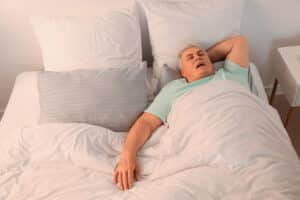
Many people who struggle with sleep apnea wonder whether losing weight could help them breathe easier at night. Weight and sleep apnea are often connected, but the relationship is not always simple. At eos dental sleep in Philadelphia, Dr. Marc Levin helps people explore effective ways to manage snoring and sleep apnea.
Dr. Levin received advanced training in oral appliance therapy, graduated from the University of Pennsylvania School of Dental Medicine, and serves as a member of the American Academy of Dental Sleep Medicine. His work in airway and sleep dentistry centers on helping people breathe more easily at night and wake up feeling truly rested.
How Weight Can Impact Sleep Apnea
Sleep apnea occurs when the airway becomes blocked during sleep, causing breathing to pause repeatedly throughout the night. Extra tissue around the neck and throat can narrow the airway and make these blockages more likely. This is one reason doctors often discuss weight when evaluating sleep apnea symptoms.
Carrying excess weight does not guarantee someone will develop sleep apnea, but it can increase the likelihood of breathing interruptions, loud snoring, and restless sleep.
Can Losing Weight Improve Sleep Apnea?
Weight loss can indeed reduce pressure on the airway and may lessen the severity of sleep apnea for some people. In certain cases, fewer breathing disruptions occur as the airway becomes less restricted. That is why lifestyle changes often become part of the conversation when treating sleep apnea.
Even so, weight loss alone rarely eliminates the condition entirely. Sleep apnea can also be linked to jaw position, airway anatomy, and muscle relaxation during sleep, which may all continue to affect your breathing even after weight changes. Additional treatment helps stabilize breathing during sleep so your body can fully rest and recover each night.
A Comfortable Alternative to CPAP
For many people, the CPAP machine is the hardest part of sleep apnea treatment. The mask, tubing, and nightly setup can make it difficult to stay consistent.
Oral appliance therapy offers a practical alternative. This small, custom dental device is worn during sleep and gently shifts the jaw forward to help keep the airway open. The result is quieter breathing, fewer interruptions during the night, and a treatment option that is easier to stick with.
At eos dental sleep, Dr. Levin provides FDA-approved oral appliances that are carefully selected and fitted for each person. To learn more about our sleep apnea solutions in Philadelphia, call us at 215-241-0700 to book a consultation.