
CPAP Side Effects You Shouldn’t Ignore: When to Consider Alternatives
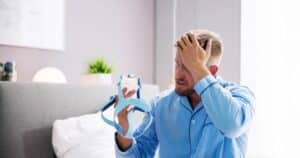 CPAP therapy is often the first treatment for obstructive sleep apnea, but that doesn’t mean it works well for everyone. Many people stop using CPAP because the side effects feel worse than the sleep they were hoping to improve. If your CPAP is causing ongoing discomfort or disrupting your rest, it may be time to talk with a provider about other options.
At eos dental sleep, we help people explore more comfortable, effective alternatives, such as oral appliance therapy (OAT), for snoring and sleep apnea. Because there’s no one-size-fits-all solution, our team custom-selects from a wide range of clinically proven sleep apnea mouthguards designed to prevent airway obstruction and support easier breathing, and our staff can also help navigate insurance and payment options.
Common CPAP Side Effects (And When They Become a Problem)
Some side effects are mild at first and improve with small adjustments. Others are persistent and can make CPAP feel impossible to stick with.
Dry mouth, sore throat, or nasal congestion
Waking up with a cotton-dry mouth, irritated throat, or blocked nose can leave you more exhausted than before. If humidity changes, mask swaps, or allergy care aren’t helping, the issue may be more than a simple comfort tweak.
Skin irritation, pressure sores, or mask marks
Redness can turn into painful sores when a mask must be tightened to stop leaks. If your skin stays irritated despite fit changes, liners, or different mask styles, CPAP may not be a sustainable long-term solution.
Aerophagia (swallowing air), bloating, or stomach discomfort
Some people swallow air during CPAP use, leading to gas, abdominal pain, and nausea. Occasional bloating can happen, but frequent discomfort is a sign your body isn’t tolerating the pressure well.
Claustrophobia, anxiety, or panic
If wearing the mask triggers panic or makes you dread bedtime, forcing yourself through it can backfire. Consistent anxiety around CPAP often leads to poor sleep and low compliance.
Worsening sleep quality
If you’re waking up more often, taking the mask off in your sleep, or feeling less rested after weeks of effort, that’s not something to ignore. The goal is better sleep, not just using a device.
Sleep Comfortably with Oral Appliance Therapy in Philadelphia, PA
If side effects persist for more than a few weeks, interfere with sleep, or cause you to avoid using CPAP, it’s worth exploring alternatives like oral appliance therapy. Call us today at 215-241-0700 to schedule a consultation, so we can review your symptoms, severity, and goals to find an option you can actually live with.