
Sleep Apnea and Aging: Why Risk Increases After 60
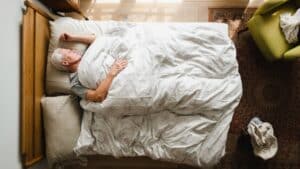 As we age, changes in our bodies can affect how well we sleep. For many adults over 60, these changes can increase the likelihood of developing or worsening sleep apnea. Interrupted breathing at night can impact not only sleep quality but also heart health, energy levels, and overall well-being. Fortunately, modern treatments make it possible to breathe more easily and sleep better without relying on a CPAP machine.
At eos dental sleep in Philadelphia, Dr. Marc Levin specializes in comfortable, effective sleep apnea solutions designed for adults who find CPAP therapy difficult. A graduate of the University of Pennsylvania School of Dental Medicine and a member of the American Academy of Dental Sleep Medicine, Dr. Levin creates custom oral appliances that promote quiet, restorative sleep.
How Aging Affects Sleep Apnea Risk
As we grow older, several natural changes occur in the body that increase the likelihood of sleep apnea. These include:
- Decreased muscle tone: The muscles of the throat and airway weaken with age, making them more prone to collapse during sleep.
- Changes in fat distribution: Fat deposits can form around the neck and upper airway, narrowing the airway.
- Altered sleep structure: Older adults spend less time in deep sleep, leading to more frequent awakenings and breathing interruptions.
- Medication side effects: Certain medications, especially sedatives, can relax airway muscles, worsening breathing problems.
These factors contribute to the higher prevalence of sleep apnea in people over 60. Many adults may not recognize the symptoms right away, since breathing changes during sleep and can go unnoticed.
Benefits of Oral Appliance Therapy
Older adults often appreciate the simplicity of oral appliance therapy. Here are a few key benefits:
- Comfortable design: No mask or hose required for restful sleep.
- Quiet and discreet: Appliances make no noise and are easy to wear.
- Travel convenience: Lightweight and easy to pack for trips.
- Improved compliance: Easier to use consistently than traditional CPAP devices.
Oral appliances have been shown to help manage mild to moderate sleep apnea, reduce snoring, and improve nighttime breathing comfort.
Sleep Better and Live Healthier
If you’re over 60 and struggling with poor sleep, snoring, or fatigue, eos dental sleep can help. Contact Dr. Marc Levin in Philadelphia, PA, at (215) 241-0700 to schedule a consultation. Discover how oral appliance therapy can help you sleep peacefully and wake up refreshed.